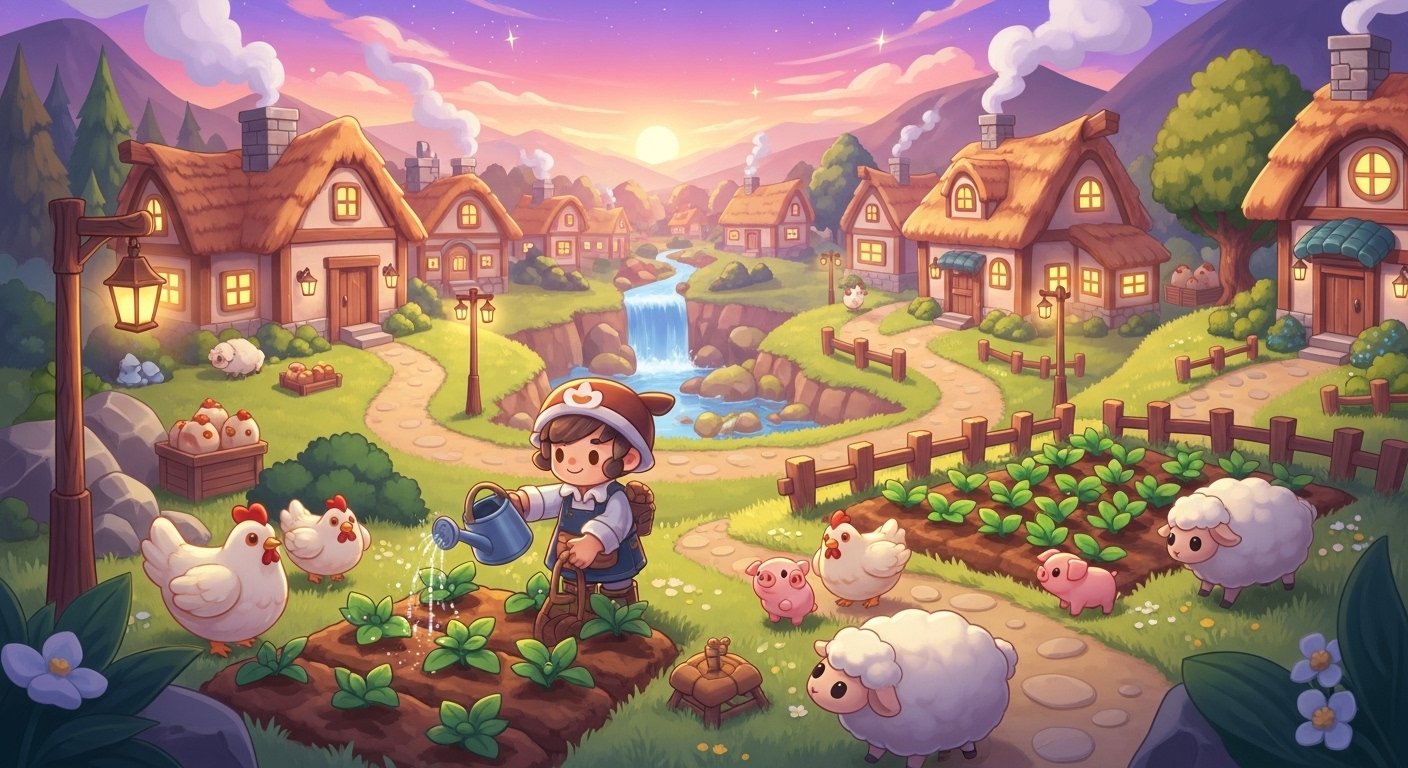
For decades, hardcore gaming culture was built around competition, difficulty, and high-stakes performance. Fast reflexes, ranked ladders, and intense boss battles defined what it meant to be a “real gamer.” But in 2026, a major transformation is happening. Cozy games — relaxing, emotionally warm, and low-pressure experiences — are no longer niche. They are influencing mainstream gaming culture and attracting even the most dedicated hardcore players.
This shift isn’t accidental. It reflects changing player psychology, lifestyle pressures, and the evolution of gaming as a form of emotional expression. Cozy games are redefining what success and enjoyment look like in the digital world.
What Exactly Are Cozy Games?
Cozy games are designed around comfort, creativity, and emotional safety. Instead of punishing difficulty, they reward exploration and personal expression. These games often feature soft art styles, calming soundtracks, and gentle pacing that encourages players to slow down.
Common features of cozy games include:
-
Non-violent gameplay
-
Open-ended goals
-
Life simulation mechanics
-
Creative building or decorating
-
Emotional storytelling
-
Relaxed progression systems
Titles like Stardew Valley, Animal Crossing, Spiritfarer, and Unpacking helped define the genre, but the cozy movement has expanded far beyond farming sims. Today, cozy puzzle games, narrative adventures, and social simulators are attracting millions of players worldwide.
What makes cozy games powerful is not just their gameplay — it’s how they make players feel.
The Burnout of Traditional Hardcore Gaming
Hardcore gaming thrives on mastery and competition, but constant intensity can lead to exhaustion. Many long-time gamers report feeling burned out from endless ranking systems, seasonal resets, and high-pressure multiplayer environments.
Competitive gaming can create:
-
Performance anxiety
-
Toxic online interactions
-
Fear of failure
-
Time pressure
-
Emotional fatigue
Cozy games provide a counterbalance. They allow players to enjoy gaming without the fear of losing status or skill relevance. There is no rush. No scoreboard. No punishment for taking a break.
https://play1.11winners.pro/cozy-games-dominating-hardcore-gaming-culture/
Hardcore gamers aren’t abandoning skill-based play — they’re diversifying their gaming diet. Cozy games act as recovery spaces between intense sessions, offering mental rest without leaving the gaming world.
Cozy Games and Mental Health Awareness
Mental health conversations are more open today than ever before, and gaming reflects that cultural change. Players increasingly recognize the emotional impact of digital environments. Cozy games align perfectly with wellness-focused lifestyles.
Research and player experiences suggest relaxing video games can:
-
Lower stress levels
-
Improve mood
-
Encourage mindfulness
-
Create emotional comfort
-
Offer safe escapism
Tending a farm, decorating a virtual home, or helping in-game characters through heartfelt stories can feel therapeutic. For many players, cozy games function as digital self-care routines.
This emotional benefit is one of the biggest reasons hardcore gamers are embracing softer experiences. They are discovering that calm does not equal boring — it equals sustainable enjoyment.
The Influence of Streaming and Social Media
Streaming culture has accelerated the rise of cozy games. Platforms like Twitch, YouTube, and TikTok are filled with creators showcasing peaceful gameplay sessions, aesthetic setups, and calming routines.
Watching cozy gameplay has become a comfort genre in itself.
Audiences enjoy:
-
Relaxing background viewing
-
Wholesome community interactions
-
Soft visuals and music
-
Positive creator energy
This visibility normalizes non-competitive gaming. Hardcore gamers who once prioritized difficulty now openly share their love for cozy titles online. The stigma around “easy games” is fading, replaced by appreciation for emotional experience.
Gaming identity is expanding to include softness, creativity, and self-expression.
Indie Developers Driving Innovation
The cozy gaming movement is largely powered by indie studios. Smaller teams have the freedom to experiment with storytelling and design without the pressure of blockbuster expectations.
Indie cozy games often focus on:
-
Personal narratives
-
Inclusive representation
-
Artistic expression
-
Player emotions
-
Experimental mechanics
Hardcore gamers are drawn to these projects because they offer originality. After years of sequels and formula-driven AAA releases, indie cozy titles feel refreshing and intimate.
They prove that gaming doesn’t need explosions or competition to be meaningful. Emotional connection can be just as compelling as action.
Accessibility and Inclusive Gaming
Cozy games are also expanding gaming accessibility. Many traditional hardcore titles unintentionally exclude players due to extreme difficulty or complex control systems. Cozy design prioritizes welcoming experiences.
Accessibility strengths include:
-
Adjustable pacing
-
Minimal skill barriers
-
Clear tutorials
-
Simplified controls
-
Inclusive narratives
This opens the door for new demographics — older adults, casual players, and people with disabilities. As the gaming audience grows more diverse, cozy games serve as an entry point that invites participation rather than intimidation.
Hardcore gamers increasingly see accessibility not as a threat, but as progress. A larger community strengthens gaming as a whole.
The Emotional Evolution of Gaming Culture
The popularity of cozy games signals a broader emotional evolution in gaming culture. Players want variety in how games make them feel. They want excitement sometimes — but comfort other times.
Modern gamers seek:
-
Adrenaline from competitive play
-
Calm from cozy environments
-
Creativity through building systems
-
Emotional storytelling
-
Personal expression
Cozy games are not replacing hardcore gaming. They are expanding the emotional range of the medium. This balance creates healthier relationships with games and reduces burnout.
Gaming is becoming more human-centered.
https://www.nintendo.com/games/detail/animal-crossing-new-horizons-switch/
The Future of Cozy and Hardcore Gaming
Looking ahead, the future isn’t cozy versus hardcore — it’s coexistence. Developers are already blending genres, adding relaxing elements to action games and deeper mechanics to cozy experiences.
We’re seeing the rise of:
-
Hybrid cozy-adventure titles
-
Narrative-driven simulators
-
Relaxing multiplayer worlds
-
Emotional RPGs
-
Creative sandbox spaces
The line between hardcore and cozy is blurring. Players no longer define themselves by a single style. They move fluidly between intensity and relaxation depending on mood.
This flexibility represents a mature gaming culture that respects emotional needs.
Final Thoughts
The rise of cozy games shows that gaming is no longer just about winning — it’s about feeling. Hardcore gamers embracing relaxing experiences proves that strength and softness can exist together.
Cozy games are reshaping gaming culture by promoting balance, accessibility, and emotional well-being. They offer a reminder that games are not only challenges to overcome, but spaces to live in.
Gaming culture isn’t getting weaker.
It’s getting wiser.