Introduction
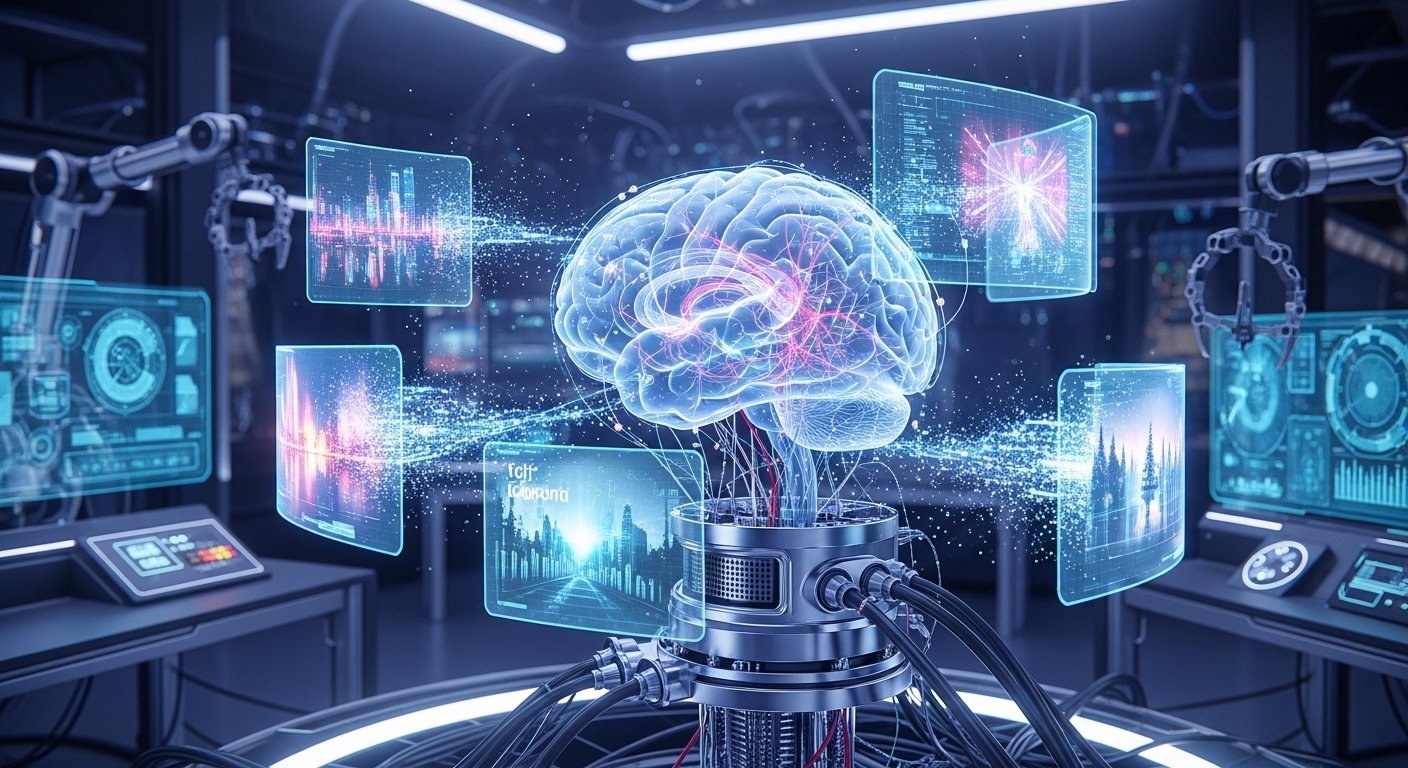
Human memory shapes identity, personality, and behavior. Every experience we remember influences how we think, feel, and interact with the world. But what if memories could be changed, erased, or rewritten entirely? Advances in neuroscience and technology are bringing this once science-fiction concept closer to reality.
Memory editing technology explores the possibility of altering how memories are stored, recalled, or emotionally experienced. Scientists are already experimenting with ways to weaken traumatic memories, strengthen positive ones, and even modify how the brain processes past events. While the potential medical benefits are enormous, the ethical implications are equally profound.
As research progresses, humanity faces a powerful question: should we have the ability to control memory itself?
Understanding How Human Memory Works
To understand memory editing, we must first understand how memories form. Memories are not stored like video recordings in the brain. Instead, they exist as complex neural patterns created by connections between brain cells called neurons.
When we experience something, neurons activate in specific patterns. These patterns become stabilized through a process called memory consolidation, which stores the experience in long-term memory. Each time we recall a memory, the brain reconstructs it — and during this process, the memory becomes temporarily flexible.
Scientists call this phase memory reconsolidation, and it is the key to memory editing. During reconsolidation, memories can potentially be modified, weakened, or disrupted before being stored again.
The Science Behind Memory Editing
Researchers have discovered several ways to influence memory processing:
Chemical Intervention – Certain drugs can weaken emotional intensity when memories are recalled.
Neural Stimulation – Brain stimulation techniques can modify neural activity linked to specific memories.
Optogenetics – A technique that uses light to activate or deactivate specific neurons in animal studies.
AI Brain Mapping – Machine learning helps identify neural patterns associated with memory storage.
In laboratory experiments, scientists have successfully altered fear memories in animals by manipulating neural pathways. Human trials are exploring treatments that reduce traumatic memory responses without erasing factual recall.
This suggests that editing emotional impact may be more realistic than fully deleting memories — at least for now.
Transforming Mental Health Treatment
The most promising use of memory editing technology is in mental healthcare. Millions of people suffer from conditions rooted in painful memories, including PTSD, anxiety disorders, and severe phobias.
Traditional therapy helps patients manage emotional responses, but memory editing could directly reduce the intensity of traumatic experiences. By weakening emotional triggers associated with certain memories, individuals may experience relief without losing awareness of what happened.
For example, veterans with PTSD could recall events without overwhelming fear. Survivors of trauma could remember experiences without emotional distress dominating their lives.
This shift from coping with memories to modifying them could revolutionize psychological treatment.
Rewriting Positive and Negative Experiences
Beyond trauma therapy, scientists are exploring whether memory enhancement is possible. Could we strengthen learning by reinforcing memory formation? Could motivation improve by amplifying positive emotional experiences?
Some researchers are investigating whether emotional associations tied to memories can be adjusted. Imagine replacing fear with neutrality, or anxiety with calmness when recalling a stressful event.
However, altering emotional meaning raises questions about authenticity. If emotional reactions change, does the memory still represent reality accurately?
The Possibility of Memory Deletion
True memory erasure — completely removing an experience from the brain — remains far more difficult. Memories are distributed across multiple neural networks, making precise removal extremely complex.
Current research focuses more on disrupting emotional responses rather than eliminating information entirely. Still, theoretical models suggest that targeted neural manipulation could one day make selective memory deletion possible.
If achieved, such technology could permanently remove traumatic experiences — but also potentially erase meaningful parts of identity.
Ethical and Moral Concerns
Memory editing raises some of the most serious ethical questions in modern science.
If memories shape identity, altering them could change who a person fundamentally is. Removing painful experiences might relieve suffering, but it could also remove lessons learned, emotional growth, and personal history.
There are also concerns about misuse. Governments, corporations, or institutions could theoretically manipulate memories for control or influence. Legal systems might face challenges if witness memories become editable.
Key ethical issues include:
-
Personal identity and authenticity
-
Consent and autonomy
-
Emotional manipulation
-
Social and legal consequences
-
Potential misuse of technology
The power to edit memory is also the power to reshape reality itself — at least from an individual perspective.
https://play1.11winners.pro/memory-editing-technology-rewrite-delete-human/
Memory Editing and Human Identity
Our memories create the story of our lives. They define relationships, values, and self-perception. Editing memories may improve well-being, but it could also fragment identity.
If someone removes painful childhood memories, do they remain the same person? If memories of failure disappear, does personal growth lose meaning?
Philosophers and neuroscientists debate whether emotional suffering is an essential part of human development. Memory editing challenges traditional ideas of resilience, healing, and personal transformation.
Future Possibilities and Risks
In the coming decades, memory editing could become increasingly precise. Brain-computer interfaces, advanced imaging, and AI-driven neural analysis may allow targeted modification of specific experiences.
Possible future applications include:
-
Personalized trauma therapy
-
Cognitive enhancement
-
Addiction treatment
-
Emotional regulation training
-
Learning optimization
However, regulation and ethical safeguards will be critical. Without oversight, memory technology could be exploited in ways society is not prepared for.
https://www.nature.com/subjects/memory
Conclusion
Memory editing technology represents one of the most profound scientific frontiers of the 21st century. The ability to modify how humans remember experiences could transform mental health treatment, emotional well-being, and personal development.
Yet memory is deeply tied to identity, meaning, and truth. Changing it raises complex ethical questions that extend far beyond medicine.
As science moves closer to controlling memory itself, humanity must decide not only what is possible — but what should be allowed. The future of memory editing will depend as much on ethics and philosophy as it does on neuroscience and technology.